Most low-shedding breeds are small, which leaves a genuine gap for people who want a bigger dog without the constant fur cleanup that comes standard with most large breeds. This isn't a coincidence: the coat genetics behind minimal shedding happen to have been bred most heavily into toy and small companion breeds historically, leaving relatively few large-breed options.
The options that do exist here are genuinely more limited compared to the wide range of small hypoallergenic breeds available, but the few that qualify combine a substantial, real presence with a coat that sheds meaningfully less than the large-breed norm. This is a genuinely useful niche: people who want the companionship and physical presence of a large dog without finding fur on every surface of their home.
Worth setting expectations honestly: 'low-shedding' at this size doesn't mean 'low-grooming.' The coat types that shed less tend to grow continuously rather than cycling seasonally, which means they mat and tangle if not maintained regularly, often requiring more frequent professional grooming than a typical shedding large breed would ever need.
What makes a large breed low-shedding?
Curly or wiry coat texture
Like their smaller counterparts, low-shedding large breeds typically have coats that trap loose hair within the curl or texture rather than releasing it freely into the home environment.
Continuous hair growth
These breeds tend to have hair that grows continuously, similar to human hair, rather than following the seasonal shed cycle that drives the heavy fur loss seen in most large double-coated breeds.
Regular grooming commitment
Low shedding decidedly doesn't mean low grooming overall; these breeds typically need considerably more frequent professional grooming than an average large breed to prevent matting and maintain coat health.
Our picks
1 breed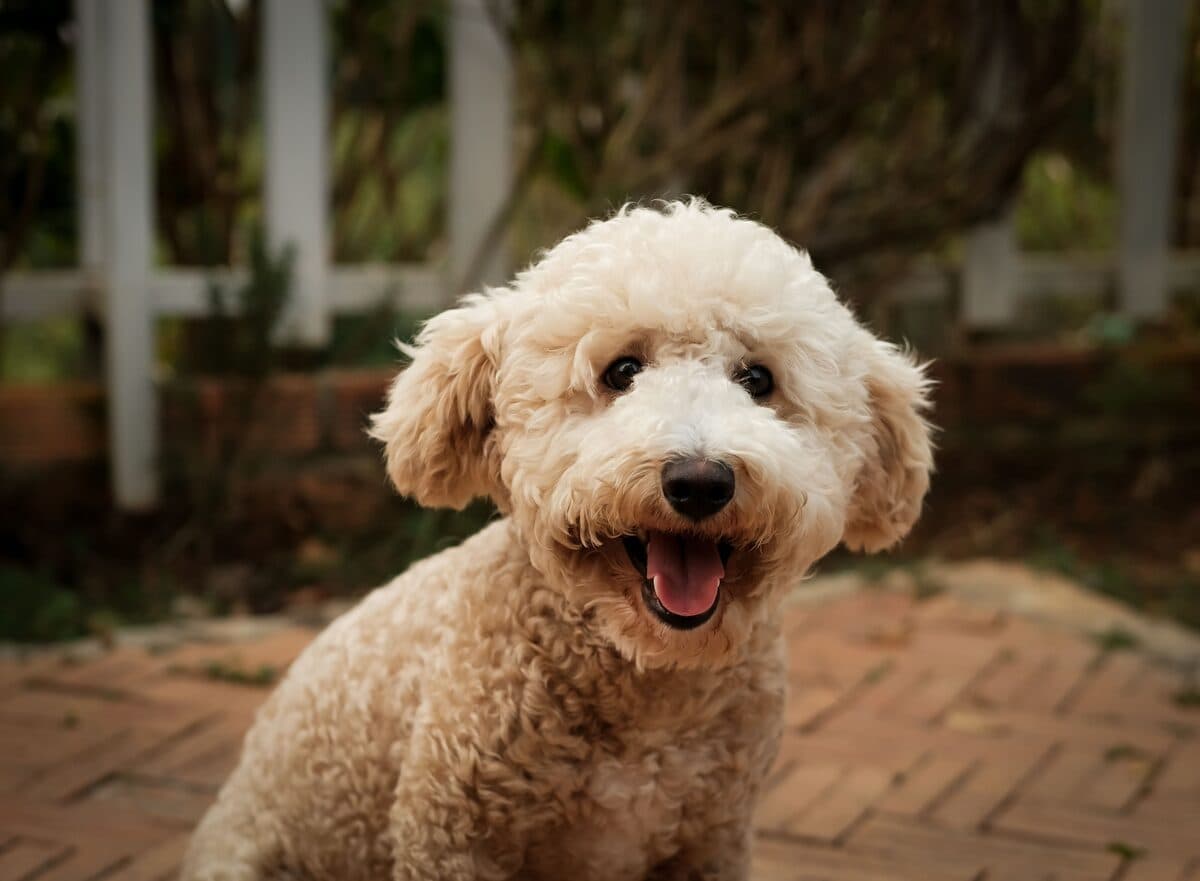
Large breeds that shed heavily despite popularity
- ✕
Golden Retriever
A thick double coat that sheds heavily and consistently year-round, with especially dramatic seasonal blowouts that can fill a room with loose fur in days.
- ✕
German Shepherd
One of the heaviest-shedding large breeds available, with dramatic seasonal coat blows that surprise many first-time owners of this otherwise wonderful breed.
- ✕
Labrador Retriever
Despite having a deceptively short coat, this breed has a surprisingly high year-round shedding volume that often exceeds owner expectations.
- ✕
Bernese Mountain Dog
A thick double coat genuinely well-suited to cold climates, but shedding heavily in the process, particularly during seasonal transitions.
Tips
- 1Budget realistically for professional grooming every 4-6 weeks, since low-shedding large breeds still need regular, consistent coat maintenance despite shedding less.
- 2Brush at home between professional grooming appointments to prevent matting, which happens considerably more easily in curly, low-shed coats than in typical shedding coats.
- 3Spend real time with the specific dog before committing if allergies are a concern for anyone in the household, since individual reactions vary even to genuinely low-shedding breeds.
- 4Factor grooming costs into your realistic annual budget from the start; this is often the single biggest ongoing expense difference compared to a typical large shedding breed.
Frequently asked questions
What is the best large low-shedding dog breed?
The Standard Poodle is the most established and widely recommended choice, combining a genuinely substantial size with a low-shed, curly coat and notably high trainability.
Are low-shedding large dogs more expensive to own?
Often yes, mainly due to regular professional grooming costs, which add up considerably more over a dog's lifetime than with a typical low-maintenance short-coated large breed.
Do low-shedding large breeds work for people with allergies?
Often better than heavy-shedding breeds do, but no dog is ever fully allergen-free regardless of size; spending real time with the individual dog first remains the safest way to check personal tolerance.
Why are there so few low-shedding large breeds compared to small ones?
Historically, the specific coat genetics behind minimal shedding were bred most heavily into toy and small companion breeds, leaving relatively few large working or sporting breeds with that same coat type.