A first dog goes best when the breed itself forgives beginner mistakes: an inconsistent training schedule in the early weeks, uncertain handling, or a genuine learning curve on reading canine body language and needs. Everyone makes these mistakes with their first dog; the question is really how forgiving the breed is while you're figuring it out.
The breeds recommended below share a cluster of traits that make this learning curve gentler: strong trainability that responds well even to imperfect technique, an even, stable temperament that doesn't require expert-level consistency to stay balanced, and exercise needs that a busy new owner can realistically meet without burning out. None of these breeds are 'easy' in an absolute sense, every dog is a real commitment, but they're meaningfully more forgiving of a first attempt than breeds developed for specialized working roles.
It's also worth being honest about what a 'good first dog' doesn't mean: it doesn't mean no training is needed, and it doesn't mean the dog will raise itself. What it means is that reasonable, consistent effort from a new owner is more likely to produce a well-adjusted dog, without requiring the kind of specialized experience that some higher-drive breeds genuinely demand.
What makes a breed good for a first dog?
High trainability
Breeds that learn quickly and respond well to positive reinforcement make early training mistakes far easier to recover from, since the dog picks up corrected behavior quickly once the right approach is found.
Forgiving temperament
A stable, even mood tolerates a new owner's inconsistent routines, occasional missed walks, or imperfect handling far better than a highly sensitive or reactive breed would.
Manageable energy needs
Moderate exercise requirements are genuinely easier for a first-time owner to meet consistently than the serious daily demands of a high-drive working or herding breed, which can quickly become overwhelming.
Predictable size
Breeds with well-established, consistent size ranges make it easier to plan for space, equipment, and the physical handling strength needed well in advance of bringing the dog home.
Our picks
13 breeds Companion
French Bulldog
A low-energy charmer built for compact spaces
 Toy
ToyCavalier King Charles Spaniel
A gentle lap dog with a big heart for people of all ages
 Toy
ToyShih Tzu
A sturdy, affectionate lapdog bred for indoor companionship
 Sporting
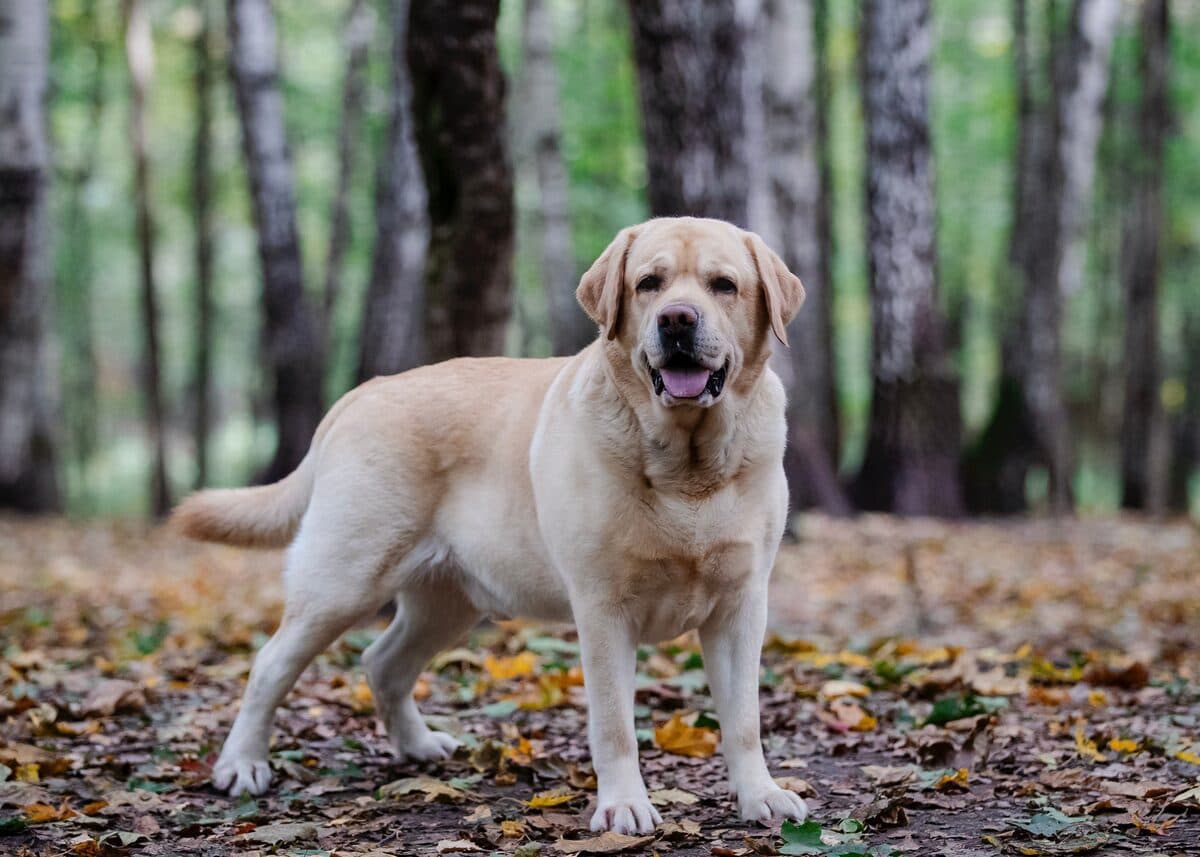
Labrador Retriever
The friendly, food-motivated all-rounder families love
 Sporting
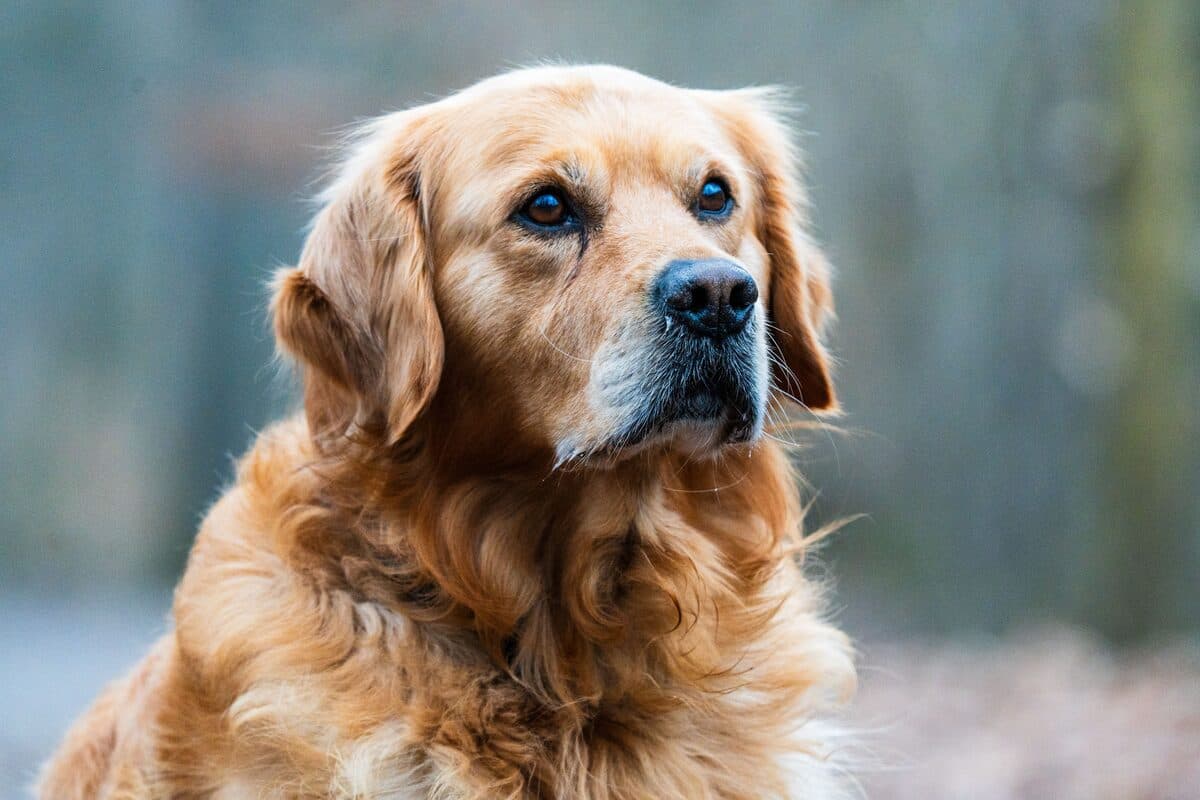
Golden Retriever
A gentle, patient companion built for family life
 Hound
HoundBeagle
A cheerful scent hound with boundless curiosity
 Herding
Pembroke Welsh Corgi
A short-legged herder with an outsized personality
 Companion
Boston Terrier
A friendly, tuxedo-coated companion built for city life
 Toy
ToyYorkshire Terrier
A small, silky-coated terrier with a confident streak
 Toy
ToyMaltese
An affectionate, silky-coated lapdog with ancient roots
 Sporting
Cocker Spaniel
A gentle, silky-eared companion with a sweet disposition
 Toy
ToyHavanese
Cuba's only native breed, prized for its cheerful companionship
 Toy
ToyBichon Frise
A cheerful, cotton-coated companion with a sturdy build
Breeds that are harder for a first dog
- ✕
Siberian Husky
Independent-minded, notoriously escape-prone, and bred for serious endurance work that most new owners significantly underestimate until they're living with it daily.
- ✕
German Shepherd
Highly capable and intelligent, but needs experienced, consistent handling from an early age to avoid developing behavioral issues that become much harder to correct later.
- ✕
Border Collie
Extreme intelligence and working drive that becomes a genuine behavioral liability without a serious daily outlet, something few first-time owners are prepared to provide.
- ✕
Rottweiler
Substantial size combined with a strong protective instinct calls for confident, experienced handling from day one to shape appropriately, not something to learn on the job.
Tips
- 1Enroll in a puppy or basic obedience class in the first few months, even if the breed is known for being easy, since professional guidance early on prevents small issues from becoming habits.
- 2Set a consistent daily routine as early as possible; dogs of any breed do noticeably better with predictable feeding, walking, and sleep schedules, especially in the first months.
- 3Research a breed's specific health screening needs before choosing a breeder or rescue, so you know what conditions to ask about and watch for.
- 4Budget for the first year's costs realistically, including vaccinations, spay or neuter, basic supplies, and an emergency vet fund, since first-year costs are almost always higher than expected.
- 5Don't be afraid to ask a trainer or vet questions that feel basic; every experienced owner started exactly where you are.
Frequently asked questions
What is the easiest dog breed for a first-time owner?
Labrador Retrievers, Cavalier King Charles Spaniels, and Poodles are frequently recommended for combining strong trainability with a forgiving, stable temperament that suits a learning curve.
Should a first-time owner get a puppy or an adult dog?
An adult dog, especially from a rescue with a known temperament, can actually be considerably easier for a first-time owner, since much of the unpredictable and demanding puppy stage is already behind it.
Is a mixed breed easier than a purebred for a first dog?
It depends far more on the individual dog's temperament and energy level than on purebred status specifically; a good rescue organization or shelter can often describe a mixed-breed dog's personality in real detail from firsthand observation.
How much time does a first-time owner need to dedicate daily?
Realistically, at least an hour a day between walks, play, and training for most moderate-energy breeds, though this varies by breed and life stage, with puppies generally needing more frequent, shorter engagement throughout the day.