The right family dog needs more than a friendly reputation on paper; it needs genuine, tested tolerance for noise, sudden movement, unpredictable hugging, and the occasional accidental tail-pull that comes with life around young children. A breed can be objectively 'friendly' in a general sense and still struggle with the specific chaos of a household with kids, since those are two different things.
What separates a genuinely good family breed from one that merely photographs well with children comes down to temperament stability more than anything else. Dogs that startle easily, that need a lot of quiet and predictability, or that carry strong instinctual drives like herding or guarding, often struggle in homes where noise and unpredictability are simply part of daily life. The breeds recommended below have, over generations of breeding for companionship, developed a notably even, forgiving temperament that holds up under exactly that kind of pressure.
It's worth saying clearly: no breed replaces supervision. Even the most patient, kid-tested breed can react badly to a genuinely painful surprise, like a fall onto its back or an ear pull. What a good family breed buys you is a wider margin for the normal chaos of children being children, not a guarantee that requires no active parenting of the relationship between kid and dog.
What makes a breed good with kids?
Patience and tolerance
Breeds bred specifically for close human companionship over centuries generally tolerate handling, noise, and unpredictable movement far better than independent or highly reactive breeds developed for working roles instead.
Predictable temperament
Consistent, stable moods matter more with young kids than raw friendliness on a good day; a dog that startles easily or has unpredictable mood swings can react in ways that are hard for a child to anticipate or understand.
Size and sturdiness
Medium to large breeds can generally better handle rough toddler play, accidental falls, and enthusiastic hugging without being easily hurt or knocked over themselves, which reduces the chance of a defensive reaction.
Energy match
A family with young, active kids can usually handle and even benefit from a higher-energy dog that wants to play for hours, while a household with an infant or a quieter daily routine often does better with a calmer breed.
Our picks
15 breeds Companion
French Bulldog
A low-energy charmer built for compact spaces
 Toy
ToyCavalier King Charles Spaniel
A gentle lap dog with a big heart for people of all ages
 Hound
HoundBasset Hound
A low-energy scent hound with a famously calm indoor demeanor
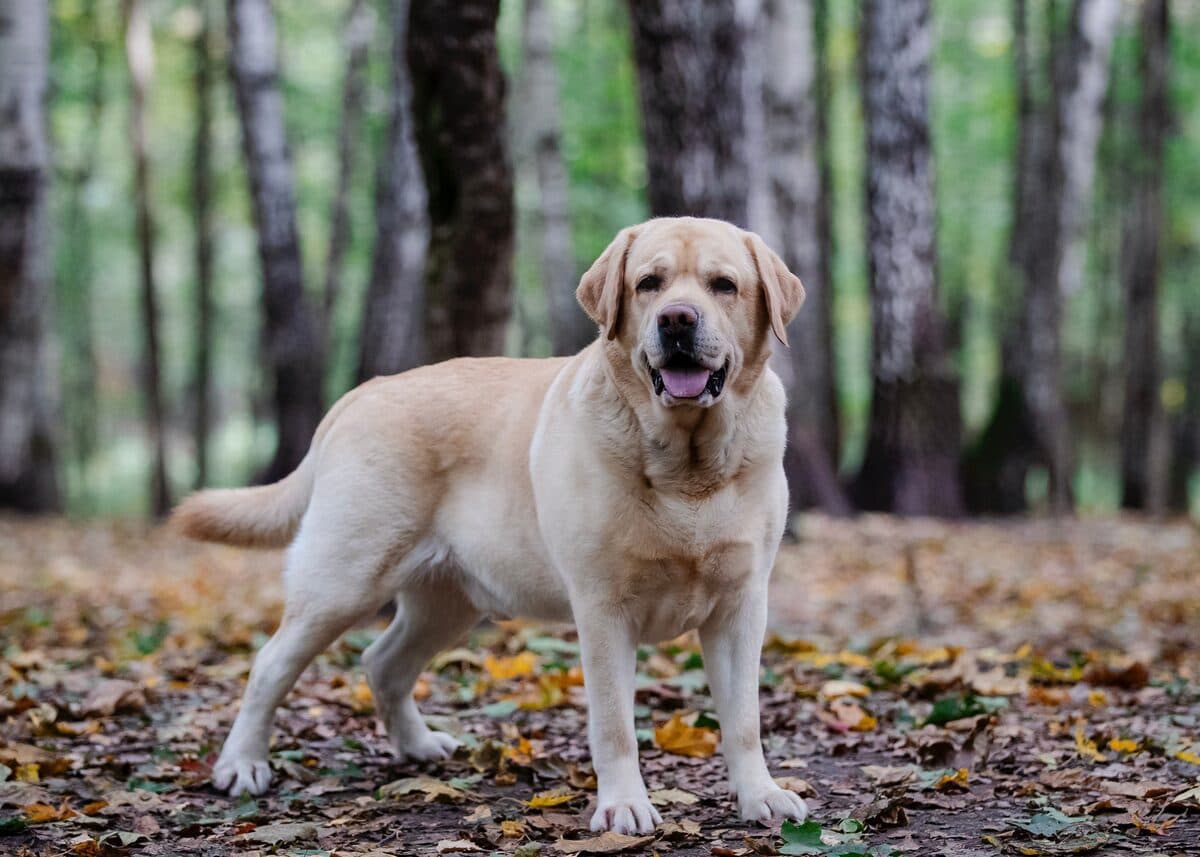 Sporting
Labrador Retriever
The friendly, food-motivated all-rounder families love
 Herding
German Shepherd
A loyal, intelligent working breed built to protect
 Sporting
Golden Retriever
A gentle, patient companion built for family life
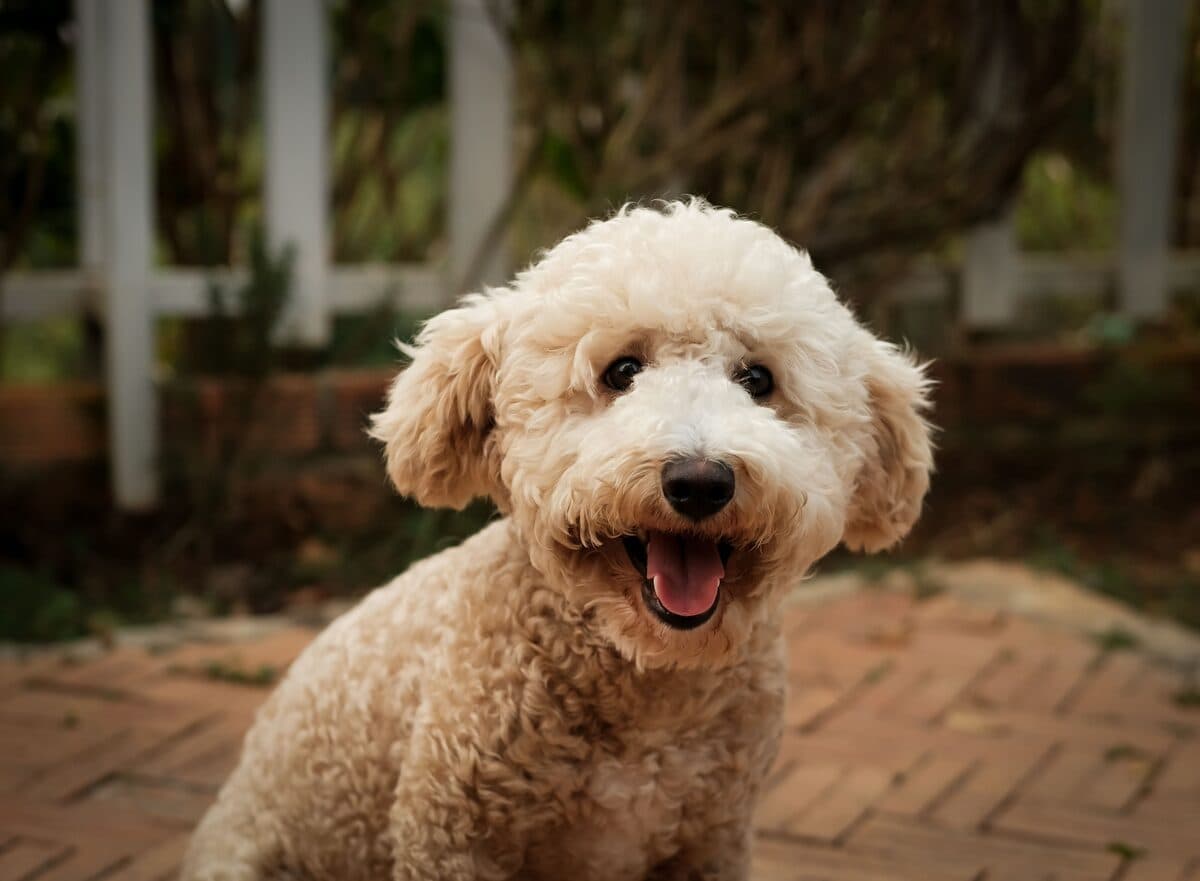 Companion
Poodle
A sharp, low-shed companion that comes in three sizes
 Hound
HoundBeagle
A cheerful scent hound with boundless curiosity
 Herding
Pembroke Welsh Corgi
A short-legged herder with an outsized personality
 Companion
Boston Terrier
A friendly, tuxedo-coated companion built for city life
 Working
Boxer
A playful, muscular breed with an almost childlike energy
 Sporting
Cocker Spaniel
A gentle, silky-eared companion with a sweet disposition
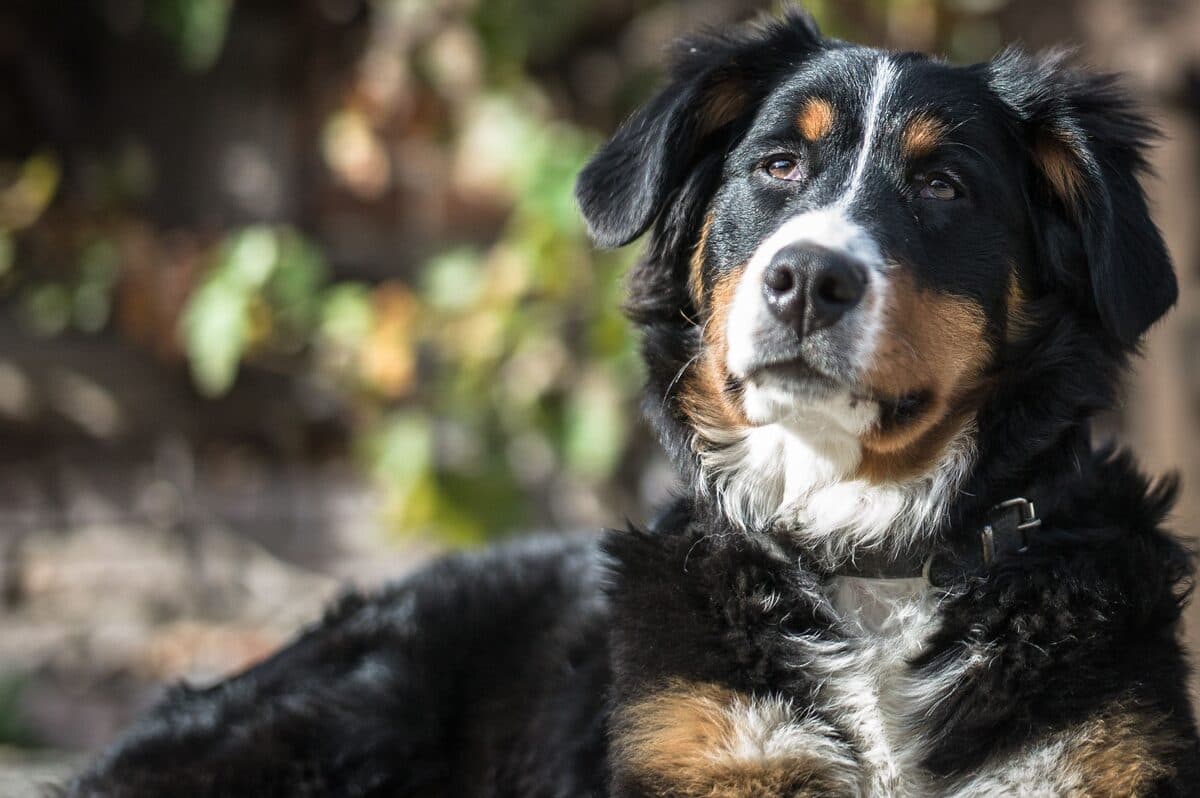 Working
Bernese Mountain Dog
A calm, tri-colored gentle giant built for cold climates
 Sporting
Vizsla
A velvety-coated Hungarian pointer known for its devotion
 Toy
ToyBichon Frise
A cheerful, cotton-coated companion with a sturdy build
Breeds that need more caution around young children
- ✕
Chihuahua
Small and physically fragile enough to be seriously injured by well-meaning but rough toddler handling, and this breed can also be snappish or defensive if startled or cornered.
- ✕
Border Collie
A strong instinctual herding drive can lead to nipping at the heels of running, shrieking children, a behavior the dog perceives as normal herding rather than aggression, but which is confusing and sometimes scary for kids.
- ✕
Australian Shepherd
Similar herding drive to the Border Collie, combined with high energy that can genuinely overwhelm younger kids who aren't yet able to set boundaries with an enthusiastic, physically pushy dog.
- ✕
Chow Chow
An independent, reserved temperament that generally doesn't tolerate handling or unpredictability well, and this breed forms more selective bonds than most, which can be a poor match for a busy, hands-on household.
Tips
- 1Always supervise interactions between dogs and young children directly, regardless of breed reputation; even the gentlest breeds can react to genuine pain or fear.
- 2Teach children early to recognize signs a dog wants space, like turning away, lip licking, or moving to another room, and to respect those signals immediately.
- 3Give the dog its own space, like a crate or a dedicated bed, that children are taught to leave alone entirely, so the dog always has somewhere to retreat and decompress.
- 4Involve kids in age-appropriate care tasks like feeding or brushing, since shared responsibility tends to build a stronger, more respectful bond over time.
- 5Introduce a new dog to the family gradually and calmly rather than all at once, giving both the dog and the children time to adjust to each other.
Frequently asked questions
What is the most patient dog breed for kids?
Golden Retrievers and Labrador Retrievers are among the most consistently recommended for their patient, people-focused temperaments, developed specifically for close cooperative work with humans.
Are small dogs bad with kids?
Not inherently, but small dogs are more physically fragile and can be more prone to fear-based defensive reactions if handled roughly, so extra supervision and gentler handling expectations are worthwhile.
What age should a family wait for before getting a dog?
There's no fixed age, but many trainers suggest waiting until children are old enough to reliably follow basic instructions around the dog, often around age 4-5, and always with adult supervision regardless of the child's age.
How do I introduce a new baby to a family dog?
Gradual scent introduction before the baby arrives home, maintaining the dog's normal routine as much as possible, and never leaving a dog unsupervised with an infant are all widely recommended starting points, ideally discussed with a trainer in advance.