Cold tolerance in dogs comes down largely to coat density and body fat reserves, both shaped significantly by where a breed originally developed over many generations. Breeds bred specifically to work outdoors in genuinely freezing conditions carry a real physical advantage in snow and cold that most breeds, developed in milder climates, simply don't have.
This isn't just about how thick a coat looks; it's about structure. A true double coat, with a dense, insulating undercoat beneath a longer protective outer layer, traps warm air against the skin far more effectively than a single-layer coat of similar visual thickness. Combined with a sturdier, slightly stockier build carrying more natural fat reserves, cold-adapted breeds can comfortably tolerate temperatures that would be genuinely dangerous for a leaner, thinner-coated dog.
The breeds recommended below were, in most cases, developed specifically for demanding cold-weather working roles, sled pulling, livestock guarding in mountain regions, or general outdoor endurance work in harsh winters. That heritage shows up directly in their physical tolerance for cold today, even generations removed from that original working purpose.
What makes a breed suited to cold climates?
Thick double coat
A dense undercoat beneath a longer, coarser outer coat traps warm air directly against the skin, providing genuine insulation against freezing temperatures that a single-layer coat simply can't match.
Cold-weather origin
Breeds developed over generations in Arctic or high-mountain regions carry real genetic adaptations for cold that breeds originating in warmer climates never developed.
Sturdy, insulated build
A slightly stockier frame with healthy fat reserves helps retain body heat noticeably better than a lean, short-coated build, which loses heat much faster in genuinely cold conditions.
Paw and coat structure
Some cold-climate breeds have specially adapted paws that resist snow buildup and ice formation between the toes, a small but genuinely meaningful detail for comfort during winter walks.
Our picks
3 breeds

Breeds that struggle significantly in cold weather
- ✕
Chihuahua
A minimal coat combined with very low body fat makes this breed highly vulnerable to cold, often needing a sweater or coat for anything beyond brief outdoor time in winter.
- ✕
Greyhound
Extremely low body fat and a thin, single-layer coat offer very little natural insulation, making this breed genuinely uncomfortable in cold weather despite its size.
- ✕
Boston Terrier
A short coat combined with a brachycephalic build handles cold poorly, especially for any extended time outdoors, and the breathing structure adds its own cold-weather complications.
- ✕
Chinese Crested
Largely hairless in its most common variety, offering essentially no natural cold protection at all and requiring significant supplemental warmth in cool weather.
Tips
- 1Even cold-tolerant breeds benefit from a dog coat during extreme wind chill or prolonged outdoor exposure, particularly older dogs or those with less body fat.
- 2Check paw pads regularly for ice buildup between the toes, and consider paw balm or protective booties on roads treated with salt, which can irritate skin.
- 3Provide insulated, draft-free shelter if the dog spends any significant time outdoors, since even cold-adapted breeds need protection from sustained wind chill.
- 4Watch for signs of hypothermia even in cold-adapted breeds during genuinely extreme conditions: shivering, lethargy, and reluctance to move are all warning signs.
- 5Keep an eye on ice-covered surfaces during walks; even sturdy breeds can slip and injure joints on hidden ice.
Frequently asked questions
What is the most cold-tolerant dog breed?
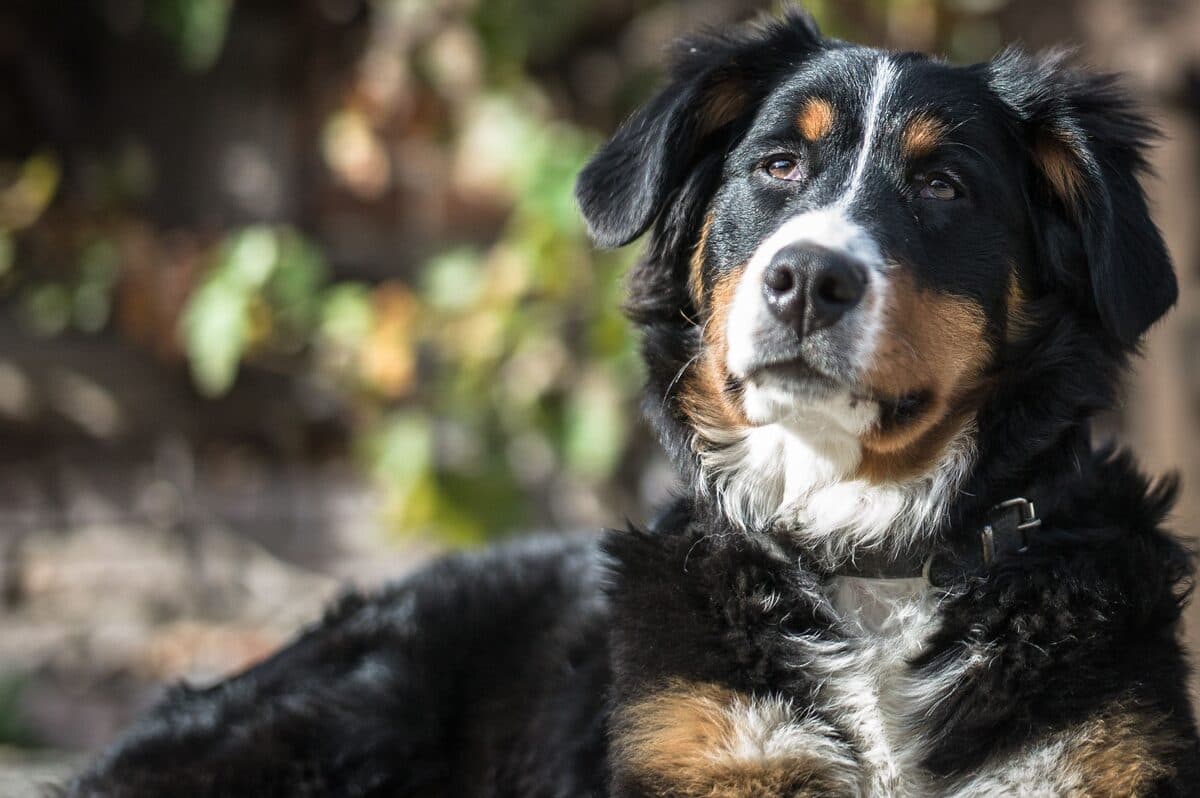
Siberian Huskies and Bernese Mountain Dogs are among the most cold-adapted breeds available, both developed specifically for demanding cold-climate working conditions over many generations.
Can cold-climate breeds live comfortably in warm regions?
It's possible with real care, such as air conditioning and avoiding midday heat entirely, but these breeds generally struggle more in hot climates than heat-adapted breeds do in the cold, given their thick insulating coats.
Do all thick-coated dogs handle cold well?
Mostly, but coat alone isn't the full picture; overall body size, fat reserves, and circulation also play a meaningful role, which is why very small thick-coated breeds can still feel cold faster than larger cold-adapted ones.
How cold is too cold for a walk?
It varies significantly by breed, but as a general guide, most dogs should have walks shortened below freezing, and even cold-adapted breeds benefit from caution below roughly -10°F/-23°C with wind chill factored in.